
When decorating your bathroom, wainscoting is a great way to add some character to the space. In this article from Capital Bathroom Renovation, we will outline what the standard height for wainscoting is and discuss some design ideas that you could implement to update the look of your bathroom in a beautifully detailed way.
What is the Standard Height for Wainscoting in a Bathroom?
Your wainscoting height should be one third of the bathroom wall, which is a standard of 38-42 inches. When determining the height, however, it’s important to take into account the size of your bathroom and whether or not you want the wainscoting to be higher than the vanity.
If your bathroom is small then the wainscoting should be kept low, whereas if your bathroom is big then higher is better. If you decide you want tall wainscoting, the standard is to place it 4-8 inches above the vanity, but be sure to avoid exceeding a height of 48-54 inches total.
| Room / placement | Recommended height | Notes |
|---|---|---|
|
Standard full bathroom
|
38–42 in (about 1/3 of wall)
|
Most common “chair rail” look
|
|
32–36 in
|
Keeps walls from feeling cut too high
|
|
|
Large bathroom / ensuite
|
42–48 in
|
Works if ceilings are taller
|
|
Above vanity
|
4–8 in above vanity top
|
Aligns with counter/mirror proportions
|
|
Half-wall look (shiplap / board & batten)
|
~48 in (about 1/2 wall)
|
Don’t go past 48–54 in total
|
|
Max recommended
|
48–54 in
|
Higher can make the room feel shorter
|
Bathroom Wainscoting Ideas by Style

Raised Panel
Raised paneling includes sections of rectangles or squares divided every 4-8 inches by vertical molding and horizontal rails made through the use of deep bevels at the top and bottom. This type of wainscoting in a bathroom adds to the elegance of the space and offers a more vintage aesthetic. It works particularly well in a primary en-suite.
Flat
Flat wainscoting is a completely smooth type of paneling with no grooves or bevels of any kind on its surface. There are, however, gaps between the boards which can either be left exposed or covered using wood or metal strips. It’s better suited for a contemporary aesthetic and allows the focus to remain on other elements in the room.
Overlay
Overlay is a combination of raised panel and flat wainscoting. First, flat panels are installed. Then, other panels are placed on top and centred on them, creating a raised look. The top raised panels are sometimes lined with molding for a more elegant aesthetic. Overlay is typically found in neoclassical designs and often a focal point of a room.
Beadboard
Beadboard is a type of wood paneling that has vertical raised beading set into the panels. Each panel, or board, is separated by grooves that are 1-2 inches wide. If you have a semi-open shower, adding a matching beadboard shower wall to go with the rest of the walls can create a harmonious look and feel to the room.

Board and Batten
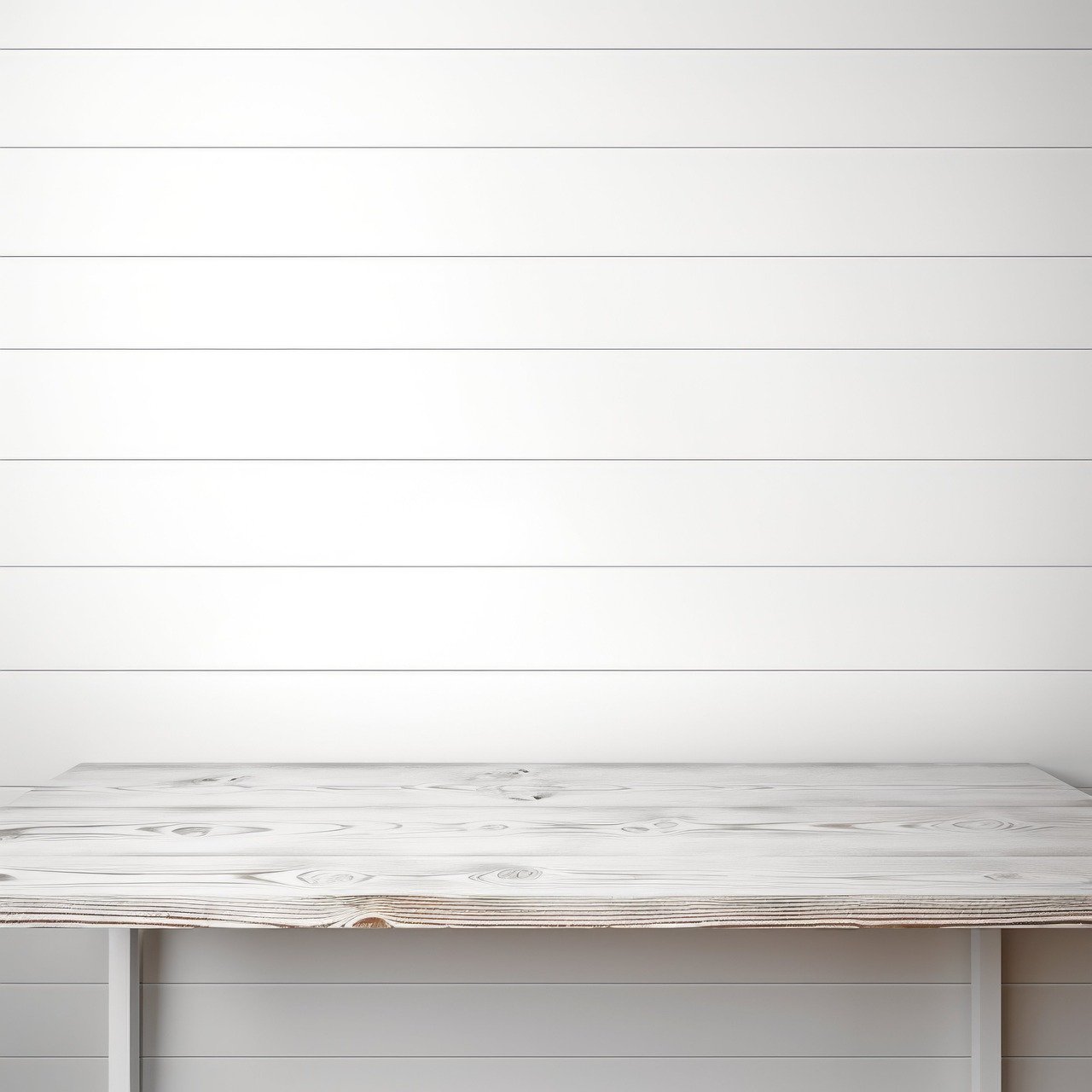
Board and batten is a type of wainscotting that alternates wide boards with narrow wooden strips known as battens, creating a beautiful layered, geometric effect. Installing white board and batten in a small powder room can help promote a light and airy feel in the space while also adding a nice amount of detail to the walls.
Shiplap
Shiplap wainscoting consists of long horizontal planks that overlap at the edges, with the upper planks overlapping the tops of the lower planks. It provides a rustic aesthetic that is used quite frequently in farmhouse designs. Shiplap is great as a backsplash above sinks and, instead of following the rule of thirds, often works best as a half wall.
Penny Tile
Penny tile wainscoting is made up of small, round tiles, reminiscent of coins, specifically pennies, which is where the name comes from. It works well as a half wall backsplash and adds great visual detail to the room. If you’re worried about cleaning the grout between tiles, you can get peel-and-stick tiles instead for an easy DIY project.
Wallpaper
Combining wainscoting with wallpaper is an excellent way to really bring your bathroom design to life. When putting decorative wallpaper above wainscoting, you can either have them match or contrast each other. Whether the wallpaper is patterned or a solid colour to fit the aesthetic of your choice, it will still make the room feel cohesive in its design.

Black
A matte black wainscoting bathroom design adds a touch of drama to the space, creating a chic look. If it feels that painting the wainscoting black would make the room too dark, though, try combining black with other colours. For example, white and black is a simple classic look, while pink and black can create a glamorous retro look.
Marble Tile
Using marble tile for your wainscoting can make the space feel more modern and bring an aura of luxury to the room. You can create a half wall, wrap-around backsplash with it, adding to the cohesion of the space, especially if paired with white fixtures. For a low maintenance substitute, a quartz slab works in the same way.